Brazil Presents 2025 Audit Results to the UN Committee of Experts
Work conducted by the Federal Court of Accounts (TCU) resulted in 106 findings and 149 recommendations. The Board of Auditors' results were analyzed during technical hearings held in New York.
By Secom / Serint
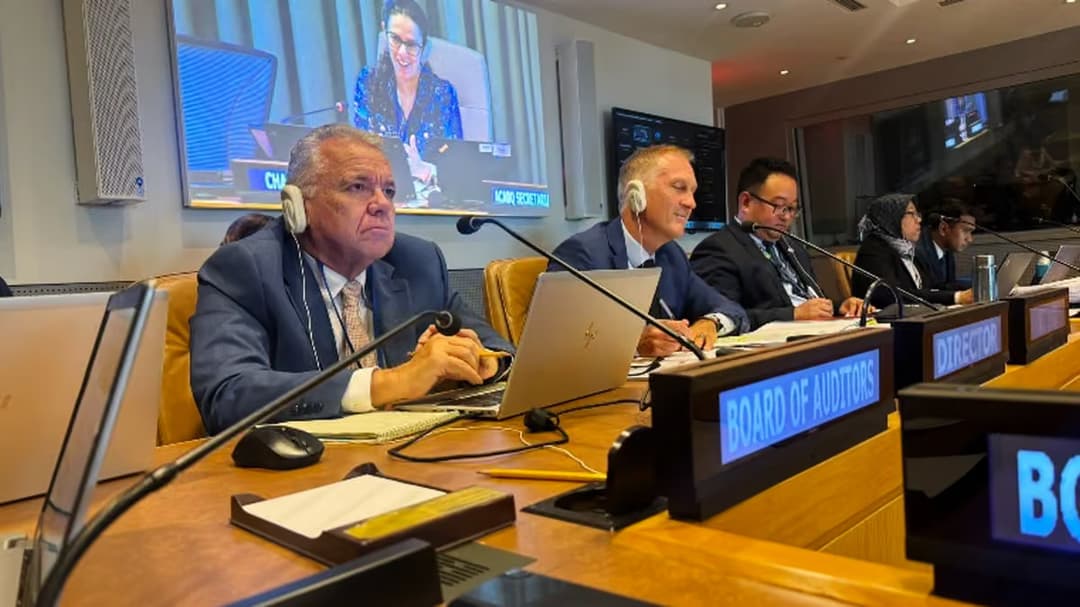
The audits conducted by Brazil in eight United Nations entities resulted in 106 findings and 149 recommendations regarding the 2025 fiscal year. The work, coordinated by the Brazilian Federal Court of Accounts (TCU), also led to the issuance of eight unmodified opinions on the financial statements examined. The conclusions were presented between September 15 and 17, in New York, to the United Nations Advisory Committee on Administrative and Budgetary Questions (ACABQ).
The hearings brought together the three members of the United Nations Board of Auditors (Brazil, France, and China) to assess the results of the audits relating to the 2025 fiscal year. In total, the Board examined 18 entities and approximately US$ 37 billion in resources, representing more than half of the UN system.
The portfolio under Brazilian responsibility brought together the following organizations:
- United Nations Children's Fund (UNICEF);
- United Nations Population Fund (UNFPA);
- UN Women;
- United Nations Office on Drugs and Crime (UNODC);
- International Residual Mechanism for Criminal Tribunals (IRMCT);
- United Nations University (UNU);
- United Nations Institute for Training and Research (UNITAR);
- United Nations Joint Staff Pension Fund (UNJSPF).
The audits were carried out by the Department for Auditing United Nations Operations (SecexONU/TCU) and coordinated by Brazil's director of External Audit on the Board of Auditors, Maurício de Albuquerque Wanderley.
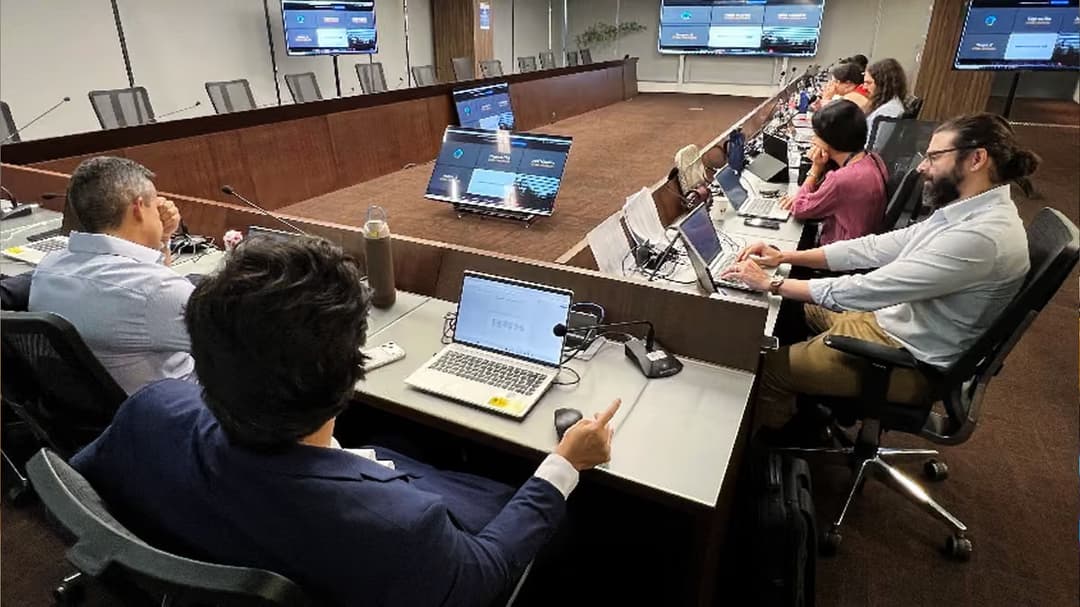
During the hearings, the New York team received technical support from SecexONU in Brasilia. Deputy directors, advisors, and audit team leaders followed the sessions in real time, recorded questions raised by Committee members and identified information and evidence produced throughout the work. This arrangement enabled additional information to be consulted and provided more promptly.
Monitoring Recommendations
The monitoring of previous decisions indicated advances in management. Of the 226 recommendations that remained pending, 61% have been implemented and 28% are in progress. In the previous cycle, the implementation rate was 58%.
Among the entities audited by Brazil, UNODC recorded one of the most significant improvements, with the implementation rate of recommendations ascending from 44% to approximately 73%.
In the general overview of the Board of Auditors, considering the 18 entities evaluated by the three member countries, 301 relevant findings were identified. The overall rate of compliance with previous recommendations rose from 52% to 65% in one year.
Hearings and technical scrutiny
The ACABQ hearings constitute a strategic regulatory stage in the process of evaluating external audit reports. Over the course of three days, Committee members examined the reports and sought clarifications directly from representatives of the Board of Auditors regarding findings, risks, and operational aspects.
On the first day (September 15), the Board presented the Concise Summary, a document consolidating the main results of the entire portfolio, as well as reports on the United Nations High Commissioner for Refugees (UNHCR), the United Nations Capital Development Fund (UNCDF), the United Nations Development Programme (UNDP), and the Strategic Heritage Plan (renovation of the Palais des Nations in Geneva).
On the second day (September 16), reports relating to agencies under Brazil's technical responsibility were analyzed. On the following date (September 17), the activities concluded with the examination of Volume I of the UN's financial statements and the reports on the United Nations Office for Project Services (UNOPS); International Trade Center (ITC); United Nations Relief and Works Agency for Palestine Refugees in the Near East (UNRWA); United Nations Environment Programme (UNEP); and United Nations Human Settlements Programme (UN-Habitat).
Each session was attended by 44 to 48 professionals, bringing together members of the ACABQ, the Board of Auditors, remote technical teams, and members of the Committee's secretariat.
Technical dialogue and decision-making
Before the hearings, ACABQ members conduct a preliminary review of the reports produced by the Board of Auditors. During the sessions, the questions addressed to the Directors of External Audit seek to go beyond the accounting data alone.
Discussions focus on the consistency of the findings, the justification for any divergences between auditors and management, the causes of recurring non-compliance issues, and the institutional risks involved. The objective of the Committee is to understand how recommendations can support the administrative and budgetary decisions of the UN General Assembly.
About the ACABQ
Established in 1946, the Advisory Committee on Administrative and Budgetary Questions is a subsidiary body of the United Nations General Assembly. It is composed of 21 experts elected for three-year terms, who serve in their personal capacity and independently of their respective governments. The Committee is responsible for analyzing the Secretary-General's budget proposals and carrying out a technical assessment of the audit reports before matters proceed to deliberation by the Fifth Committee of the General Assembly. The ACABQ is currently chaired by Brazilian diplomat Juliana Gaspar Ruas.
About the United Nations Board of Auditors
Also created in 1946, the United Nations Board of Auditors is responsible for the independent external audit of the Organization and its agencies. The Board comprises three Supreme Audit Institutions, whose senior officials are elected by the General Assembly for six-year terms.
In 2026, the Board is composed of the Cour des Comptes of France, which currently holds the chair, and the Brazilian Federal Court of Accounts (TCU), whose mandate extends until 2030. In the third seat, China's National Audit Office served until June and was succeeded in July by the Audit Board of Indonesia.
Learn more about the UN Board of Auditors here.
For information on Brazil's participation in the Board, visit the AuditaONU project website at this link.