TCU Announces ClimateScanner Progress After Assessing Climate Action in 103 Countries
International meeting in Rio de Janeiro marks a new stage of the initiative, with the launch of an audit guide, preparation of a global report, and proposal for periodic evaluations.
By Secom / Serint
On November 5, the Brazilian Federal Court of Accounts (TCU) opened the ClimateScanner Summit 2026, announcing new tools to expand the use of data in the oversight of climate policies. Among the advances presented are the preparation of a global report, the launch of a guide to support audits, and a proposal to establish regular evaluation cycles of the performance of government actions in addressing climate change.
Organized by the TCU in partnership with the Brazilian Development Bank (BNDES) and the United Nations Development Program (UNDP), the event brings together representatives of Supreme Audit Institutions (SAIs), international organizations, and experts. The program continues through Friday (11/6) at the BNDES headquarters in Rio de Janeiro.
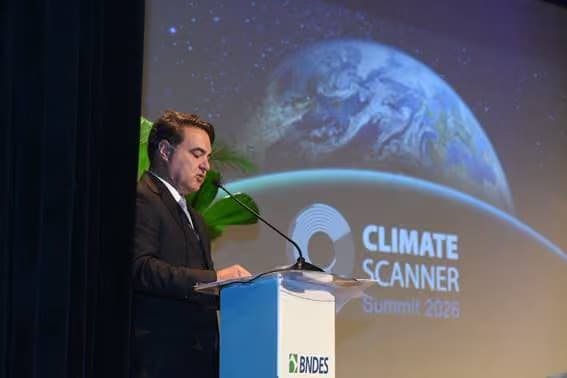
During the opening session, TCU Vice-President, Minister Jorge Oliveira, emphasized that the climate crisis also represents a risk to public finances. Droughts, floods, and heatwaves generate emergency expenditures, compromise infrastructure, and place additional pressure on government budgets, reducing resources available for areas such as health and education.
"Climate change is no longer a distant threat and has long since become an everyday reality," he stated. According to the minister, audit institutions are responsible for verifying whether commitments made by governments are translated into public policies and tangible results for citizens.
ClimateScanner Enters a New Stage
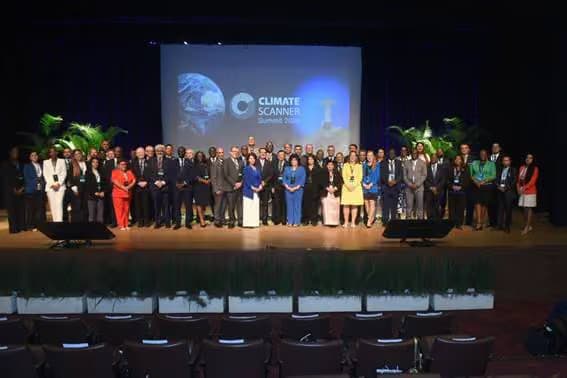
Launched in 2022, ClimateScanner mobilized more than 170 institutions and trained over 300 auditors to assess climate actions in 103 countries. The analysis revealed weaknesses in governance, public policies, and climate financing. Among the findings, nine out of ten countries evaluated do not know how much they spend on climate actions.
With more than 86% of the participating institutions expressing interest in a new round of assessments, the initiative now advances on to a stage focused on the continuity of monitoring and the practical application of the results.
One of the innovations is the ClimateScanner Global Report, developed in partnership with the United Nations Department of Economic and Social Affairs (UNDESA), the General Secretariat of the International Organization of Supreme Audit Institutions (INTOSAI), and the Working Group on Environmental Auditing (WGEA). The publication will consolidate the main conclusions of the evaluations and is scheduled for release in April 2027, during the UN/INTOSAI Symposium in Vienna, Austria.
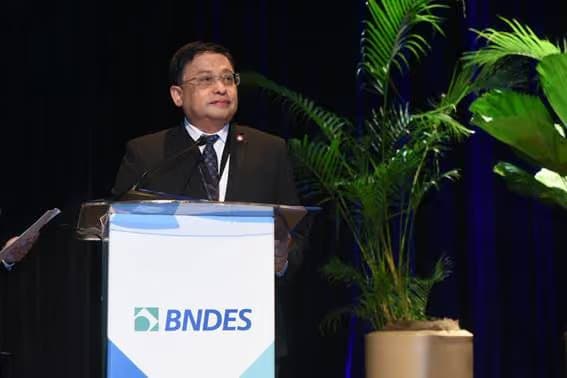
The continuity of the initiative was reinforced by the Auditor General of Thailand and Chair of the WGEA, Monthien Charoenpol. He highlighted the completion of the project's first phase and the inclusion in the group's 2026-2028 work plan; a measure aimed at ensuring the sustainability of ClimateScanner and expanding the use of the platform in audits.
Cooperation to Turn Data into Results
Representatives of partner institutions addressed different challenges involved in transforming climate analysis into effective measures.
The UNDP resident representative in Brazil, Claudio Providas, argued that the impact of the initiative should be measured by its capacity to improve public policies and strengthen institutions, rather than solely by the production of reports and recommendations.
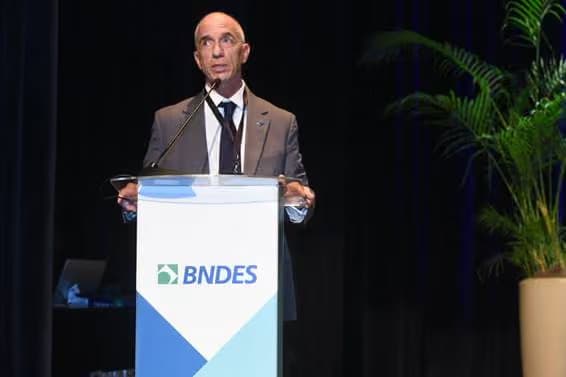
Rodolfo Stucchi, representative of the Inter-American Development Bank (IDB), highlighted the need to prepare states and municipalities for the economic impacts of extreme events. According to him, adapting the ClimateScanner methodology to the Brazilian context makes it possible to identify local vulnerabilities and guide investments in more resilient infrastructure and public services.
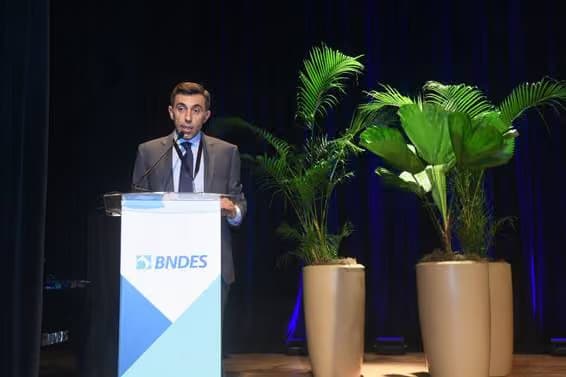
BNDES chief counsel Walter Baère underscored the importance of transparency to ensure the credibility of environmental investments. By presenting the bank's experiences in climate finance and in the management of the Amazon Fund, he reaffirmed the institution's support for the continuity of the project.
"Without transparency, we cannot achieve a purposeful and effective environmental agenda," he emphasized.
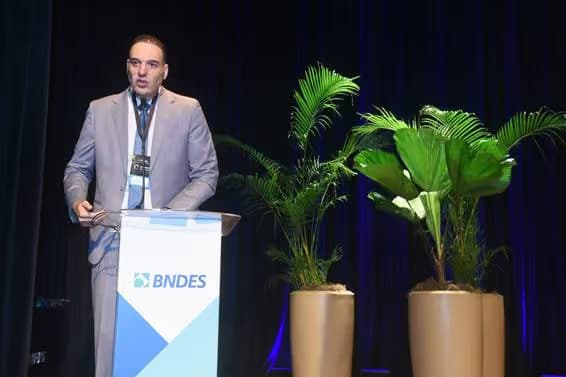
The opening also featured video messages from the president of INTOSAI, Mohamed El-Faisal Youssef, and the United Nations Under-Secretary-General for Economic and Social Affairs, Li Junhua, reinforcing the international alignment around the initiative.
Schedule
Under the theme "From Data to Action", the first day of the ClimateScanner Summit included a presentation by Ana Toni, Chief Executive Officer of the 30th United Nations Climate Change Conference (COP30), on the role of data in the global climate agenda, as well as an analysis of ClimateScanner's results.
Representatives from Chile, Costa Rica, Fiji, Kenya, and Montserrat shared experiences in using the assessments to guide the oversight of public policies. The program also includes the launch of the "From Data to Action" guide, designed to help audit institutions interpret analysis, define priorities, and increase the impact of audits.
In the afternoon, discussions focus on the challenges of the global climate response, with emphasis on governance, public policies, financing, and equity. Participants will present the key messages of the ClimateScanner Global Report, the experience of the international cooperative audit on climate adaptation conducted by the INTOSAI Development Initiative (IDI), and the proposal for an INTOSAI position paper for COP31. The day concludes with the ClimateScanner Awards ceremony, which will recognize outstanding initiatives in the use of data.
The program continues Friday (11/6), with discussions on regional cooperation and the presentation of the ClimaBrasil Panel, which adapted the ClimateScanner methodology for Brazilian states, the Federal District, and state capitals. The event will also feature the presentation of award-winning solutions from ClimatonBrasil 2026 and discussions on the institutionalization of the initiative, the proposal for assessment cycles every three years, and the Rio Charter, a document intended to establish the project's next commitments.
Click to learn more about ClimateScanner