TCU Engages in Dialogs on SAI Autonomy
The Global Project on SAI Independence took center stage in Paris, bringing together SAI leaders from OECD members and accession countries.
By Secom / Serint
The Global Project on SAI Independence took center stage in Paris, bringing together SAI leaders from OECD members and accession countries.
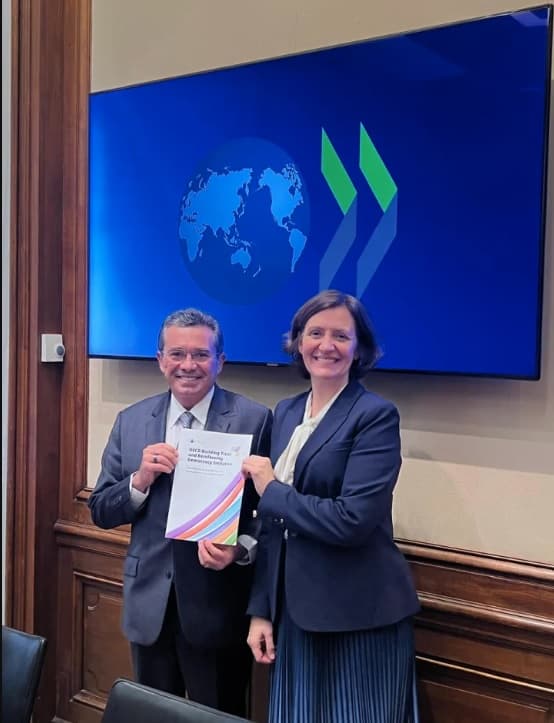
The Global Project on Supreme Audit Institutions (SAIs) Independence event, organized by the Organisation for Economic Co-operation and Development (OECD) in partnership with the INTOSAI Development Initiative (IDI) on January 27 brought together SAI leaders from various countries, along with representatives from international organizations, civil society, the OECD, and the IDI, to discuss the importance of SAI independence.
In his opening speech, Minister Vital do Rêgo, President of the Brazilian Federal Court of Accounts (TCU) and Chair of the International Organization of Supreme Audit Institutions (INTOSAI), emphasized the importance of SAI autonomy in ensuring public administration integrity and combating corruption: “The independence of SAIs is the foundation for building trust, safeguarding public administration integrity, and promoting protection against corruption and inefficiency,” he stated.
Minister Vital also highlighted the need for collaboration among governments, civil society, and international organizations to protect SAIs from political interference. “It is vital for governments, civil society, and international organizations to mobilize so as to ensure that SAIs operate free from political interference, preserving transparency and institutional legitimacy,” he stressed.
Minister Vital do Rêgo's speech reinforced TCU's commitment to promoting a fairer, more transparent, and efficient environment, thereby strengthening democracies and contributing to the well-being of societies.
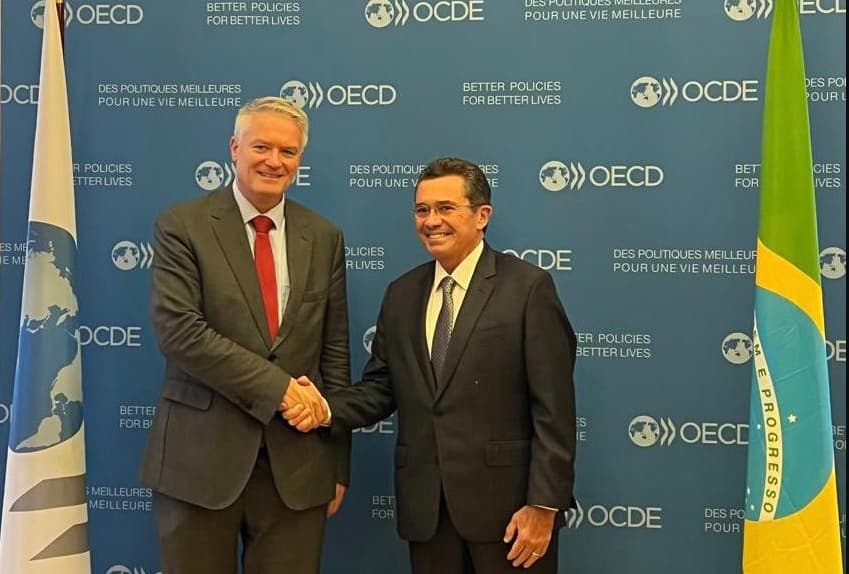
OECD Meeting
Held on January 28 and 29, the Meeting of OCDE Heads of Supreme Audit Institutions and Accession Countries explored the role of independent and innovative SAIs in key areas such as performance audits, spending reviews, and sustainability audits, including their support for the green transition and enhancing public understanding of fiscal matters.
In the session titled "Achieving Impact with Sustainability Audits", chaired by Filipa Calvão, President of the Portuguese Court of Accounts, Minister Vital do Rêgo joined Marian Bana , President of Poland's SAI, ubica Gazdová, Director General of Slovakia's SAI, and Charles Deguara, Auditor General of Malta's SAI, to discuss the importance of the efficient and effective use of public funds to achieve a successful green transition.
During his participation, Minister Vital do Rêgo highlighted the importance of global cooperation in addressing climate challenges. He presented preliminary results of the ClimateScanner, unveiled during COP29 in Azerbaijan.
The Minister also emphasized the importance of energy transition, highlighting Brazil's central role, with its predominantly renewable energy matrix, in the international climate discussion. He announced the launch of the Energy Transition Audit Guide, developed to support SAIs in evaluating public policies related to this topic. Vital do Rêgo explained: “The guide provides practical guidelines and a clear methodology for conducting audits, promoting social, economic, and climate benefits.”
Furthermore, the Minister highlighted TCU's intention to launch a global initiative to analyze government actions in fighting hunger and poverty, recognizing that these challenges require a collective and coordinated response. He also mentioned the importance of citizen participation in the international debate as a global trend for institutions seeking to maintain their credibility.