TCU Methodology Becomes an International Reference for Energy Transition Audits
Guide developed by the Brazilian Federal Court of Accounts based on a 2024 audit will support future oversight and INTOSAI capacity-building initiatives in different countries
By Secom / Serint
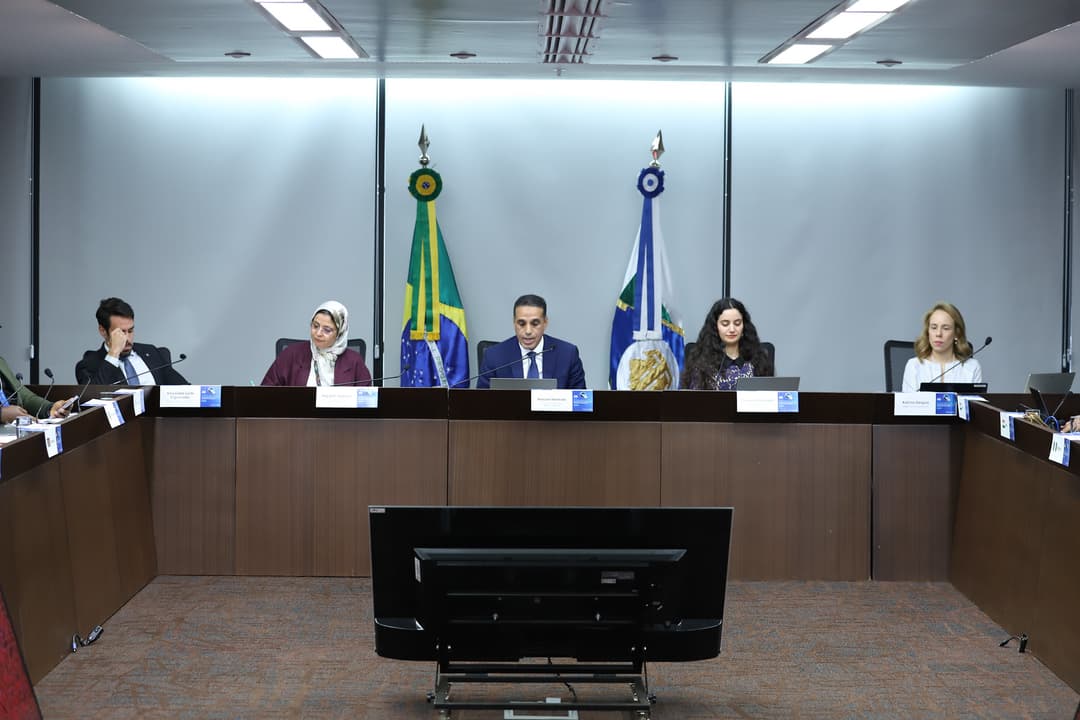
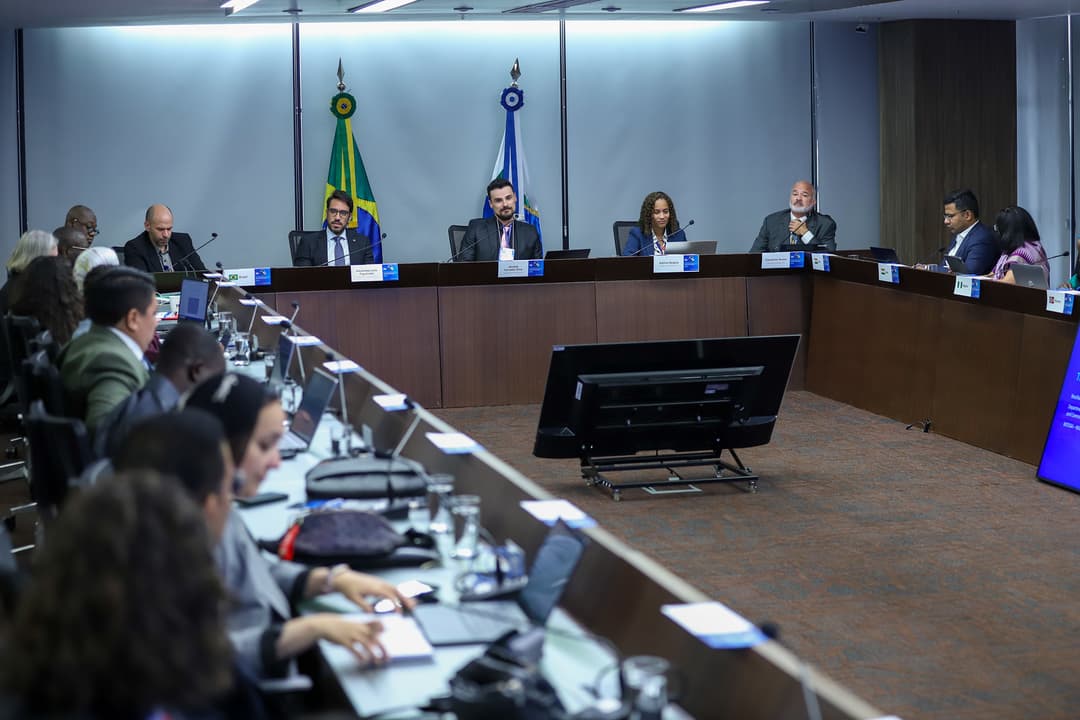
The experience of the Brazilian Federal Court of Accounts (TCU) in assessing the Brazilian government's preparedness for the energy transition was presented on June 18, during the session Strengthening Capacity in Energy Transition Audits, held as part of the meeting of the INTOSAI Working Group on Audit of Extractive Industries (WGEI) in Brasilia. On the occasion, the Practical Audit Guide on Energy Transition was launched, a methodology expected to support oversight and international capacity-building initiatives on the subject.
During the session, auditors from the TCU Department of Government Audit for Energy and Communications (SecexEnergia) shared the main challenges of the operational audit conducted in 2024, including the task of translating a complex and cross-cutting topic into objective criteria to assess the maturity of public policies related to energy transition.
According to auditor Claudionor Nunes, energy transition requires an integrated perspective from audit institutions. "Energy transition is not just an environmental agenda. It involves governance, financing, technological innovation, and social impacts, which require integrated oversight approaches," he pointed out.
Different Contexts
Jonatas Carvalho, head of the TCU Unit specialized in energy oversight, emphasized that the Guide was designed to address different institutional contexts. "The objective was never to replicate the Brazilian experience, but rather to develop a methodology that is sufficiently flexible to support Supreme Audit Institutions (SAIs) with different mandates, capacities, and operating environments," he stated.
At present, the document is undergoing certification by INTOSAI Knowledge Sharing Committee (KSC), a process that precedes publication as an official product of the organization.
In addition to supporting future oversight, the Guide will serve as a foundation for international training initiatives aimed at strengthening the capacities of SAIs in areas related to the energy transition.
The session also featured an initiative by the Court of Accounts of the Kingdom of Morocco to develop training materials on energy transition oversight within the framework of the INTOSAI Working Group on Environmental Auditing (WGEA).
Developed in cooperation with the TCU, the project will use the Practical Audit Guide on Energy Transition as a reference for the development of training modules, case studies, and tools intended for SAIs in different countries.